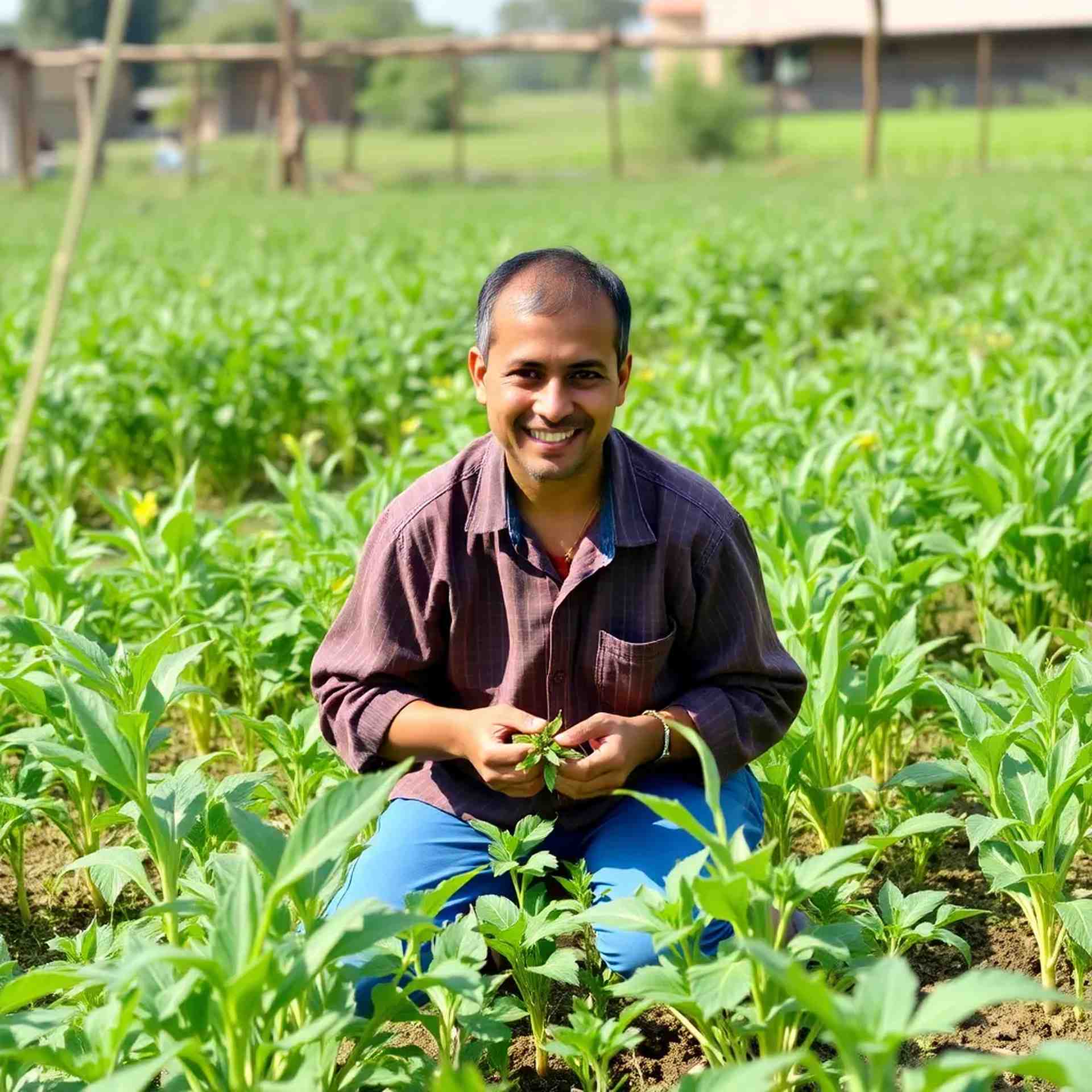
From Corporate Executive to Organic Farming Success
Sarah Lim's Journey to Agricultural Independence
Organic Vegetable Farming • Class of 2021Background
Sarah Lim spent 12 years climbing the corporate ladder in Kuala Lumpur's banking sector. Despite professional success and comfortable income, she felt increasingly disconnected from meaningful work and concerned about environmental sustainability. At 37, after experiencing burnout, Sarah decided to pursue a completely different path – organic farming.
"I wanted work that created something real, contributed to food security, and aligned with my environmental values," Sarah explains. "Agriculture seemed intimidating with zero farming background, but Cigiri Wabiru's comprehensive training gave me confidence to make the leap."
"The training covered everything from soil biology to business planning. But most importantly, the instructors believed in us. They showed us that with proper knowledge and dedication, anyone could become a successful farmer."
The Journey
March 2021 - Enrolled in Organic Vegetable Farming Program
Completed 12-week intensive training covering soil management, organic pest control, crop rotation, and business fundamentals. Practiced hands-on at Cigiri Wabiru's demonstration farm.
June 2021 - Acquired Land and Started Infrastructure
Leased 0.8 acres in Serian district. Invested RM18,000 in drip irrigation, shade netting, composting facility, and basic tools. Began soil improvement with cover crops and compost amendments.
September 2021 - First Commercial Plantings
Started with beginner-friendly crops: kangkung, bayam, long beans, and cherry tomatoes. Implemented crop rotation plan and organic pest management protocols learned during training.
November 2021 - First Harvest and Market Development
Harvested first crops with excellent quality. Established relationships with 3 restaurants and began selling at weekend farmers' market. Revenue: RM1,800 first month.
March 2022 - Achieving Profitability
Expanded to 8 restaurant clients. Refined crop mix based on market feedback. Monthly revenue reached RM4,200, covering all costs plus modest salary.
September 2022 - Organic Certification Achieved
Completed 18-month organic transition period and received NASAA certification. Premium pricing increased profit margins significantly. Added value-added salad mixes.
December 2023 - Established Operation
Now supplies 12 restaurants, 2 organic shops, and maintains 40+ CSA subscribers. Monthly net income: RM6,800. Planning expansion to adjacent 0.5 acres.
Current Operation Stats
0.8
Acres Cultivated
RM6,800
Monthly Net Income
15
Crop Varieties
54
Regular Customers
Key Challenges & Solutions
Challenge: Pest Management Without Chemicals
Initial crops suffered from aphid and caterpillar damage. Sarah implemented comprehensive IPM strategy: installed insect netting over sensitive crops, introduced companion planting with aromatic herbs, maintained habitat for beneficial insects, and used organic sprays only as last resort. Pest losses decreased from 30% to under 10%.
Challenge: Market Development from Zero
With no existing market connections, Sarah proactively approached restaurant chefs with sample produce. She created professional-looking farm brochures, maintained active social media presence showing farm practices, and invited potential customers for farm tours. Word-of-mouth from satisfied early customers drove rapid growth.
Challenge: Cash Flow Management
Early months involved constant expenses with delayed revenue. Sarah maintained detailed financial records, negotiated favorable payment terms with key restaurants (weekly payments instead of 30-day terms), and used CSA subscription model to generate upfront working capital. By month 8, positive cash flow became consistent.
Sarah's Top Advice for Aspiring Farmers
- Start small and master fundamentals: "I'm glad I started with 0.8 acres. It was challenging enough to learn on without being overwhelming. Many beginners overextend and struggle."
- Build market relationships early: "Don't wait until harvest to think about sales. I spent my entire growing season networking with potential buyers."
- Embrace continuous learning: "Every season teaches new lessons. I still consult with my instructors and stay active in the alumni network."
- Keep excellent records: "Data drives smart decisions. I track everything – costs, yields, customer preferences. This information is invaluable."
- Be patient but persistent: "Profitability took 8 months. Many quit earlier. Trust the process and keep improving your systems."
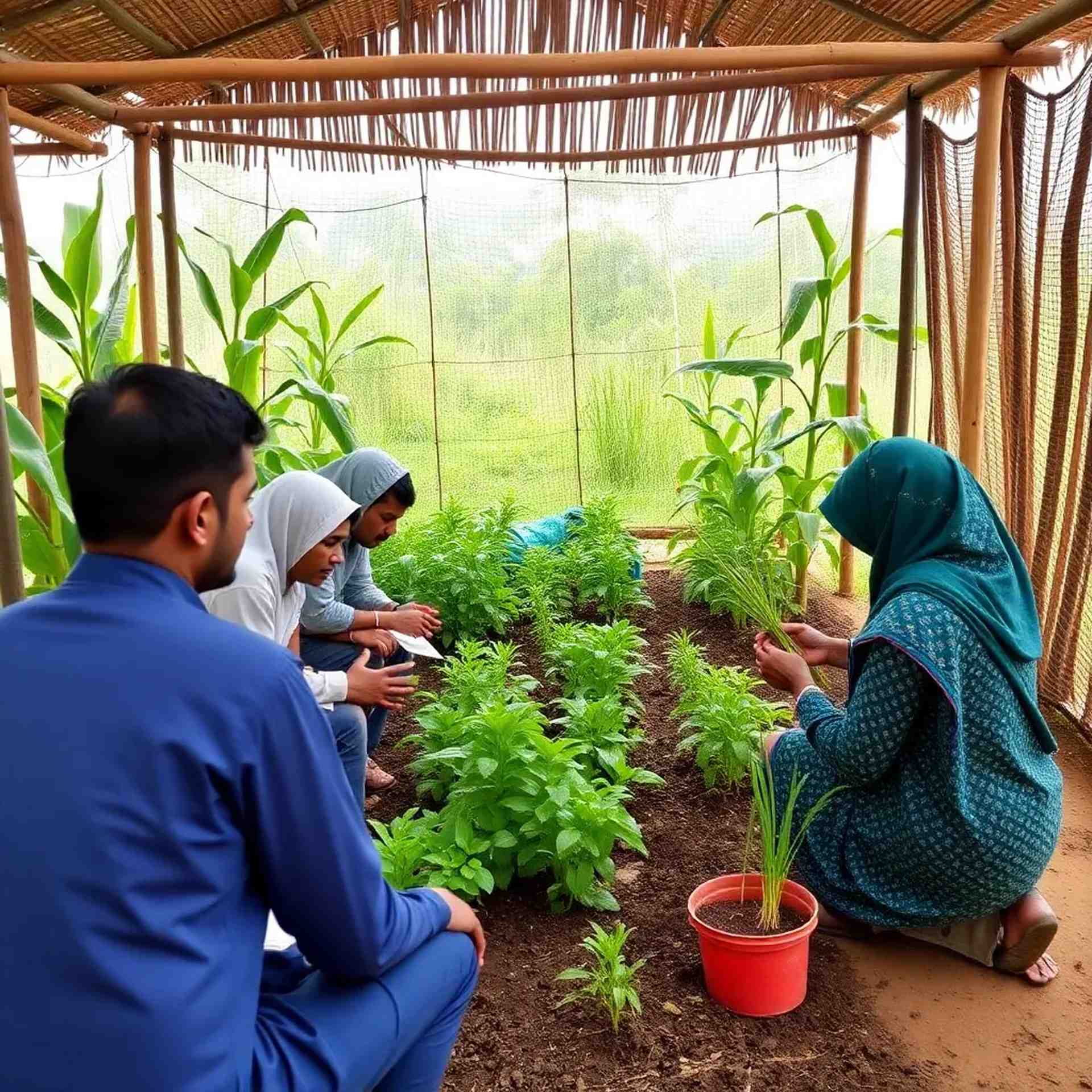
Building a Thriving Aquaculture Business
Ahmad Rahman's Fish Farming Success Story
Aquaculture & Fish Farming • Class of 2020Background
Ahmad Rahman, 29, grew up in rural Sarawak where his family practiced traditional small-scale farming. He saw aquaculture's potential after learning about successful fish farmers in neighboring regions. However, lacking technical knowledge and capital, Ahmad enrolled in Cigiri Wabiru's comprehensive aquaculture program to transform his aspiration into reality.
"My family had access to land and water, but we didn't know modern fish farming techniques. The training provided scientific knowledge combined with practical experience that changed everything," Ahmad recalls.
The Journey
January 2020 - Completed Aquaculture Training
12-week program covering pond construction, water quality management, feed formulation, disease prevention, and business planning. Gained hands-on experience managing training center's demonstration ponds.
April 2020 - Constructed First Ponds
Built two 500-square-meter earthen ponds on family land. Investment: RM15,000 for pond construction, aeration systems, water quality equipment, and initial stock. Secured TEKUN microfinance loan covering 60% of costs.
June 2020 - First Stocking with Tilapia
Stocked 5,000 tilapia fingerlings per pond following protocols learned during training. Implemented strict feeding schedules and daily water quality monitoring.
November 2020 - First Successful Harvest
Harvested 2.2 tons from first pond (88% survival rate). Sold to local wet markets and restaurants at RM10/kg. Revenue: RM22,000. Net profit after expenses: RM9,500.
March 2021 - Expansion to Four Ponds
Reinvested profits to construct two additional ponds. Implemented staggered stocking schedule ensuring continuous harvest and income every 2-3 months.
January 2022 - Diversification into Catfish
After mastering tilapia production, added catfish to product mix. Higher price point (RM12-14/kg) and strong market demand improved profitability.
December 2023 - Established Regional Supplier
Now operates 5 ponds producing 18-20 tons annually. Supplies fish to markets across three districts. Monthly income averages RM12,000-15,000. Hired two part-time workers. Planning processing facility for value-added products.
Current Operation Stats
5
Active Ponds
20 tons
Annual Production
RM180k
Annual Revenue
3
Employees
Key Success Factors
Water Quality Excellence
Ahmad attributes much of his success to rigorous water quality management. He tests dissolved oxygen, pH, ammonia, and temperature twice daily. "Water quality is everything in fish farming. I learned this during training and never compromise. It's why my survival rates consistently exceed 85%."
Strategic Staggered Production
Rather than harvesting all ponds simultaneously, Ahmad maintains staggered stocking schedules. This provides steady income throughout the year and reduces market risk from price fluctuations. "I have harvest income every 6-8 weeks now. It stabilizes cash flow and ensures customers can rely on consistent supply."
Strong Market Relationships
Ahmad invested time building personal relationships with market operators and restaurant buyers. He delivers personally, maintains absolute consistency in quality and timing, and often provides extra service like cleaning fish. "People buy from farmers they trust. I treat every customer like a long-term partner."
"The training gave me technical skills, but success came from applying those skills consistently with discipline and patience. Aquaculture rewards systematic, careful management."
Ahmad's Advice for Aspiring Fish Farmers
- Master one species first: "I focused exclusively on tilapia my first year. Once I truly understood tilapia production, adding catfish was much easier."
- Never compromise on water quality: "Buy good aeration equipment and test kits from the start. They're not expenses – they're investments in survival rates and growth."
- Start with proven species: "Tilapia's hardiness made it forgiving while I learned. Attempting difficult species as a beginner often leads to failure."
- Maintain detailed records: "I track feed conversion ratios, growth rates, survival percentages for every pond cycle. This data guides continuous improvement."
- Join farmer networks: "The alumni community has been invaluable. We share market information, troubleshoot problems together, and sometimes coordinate on large orders."
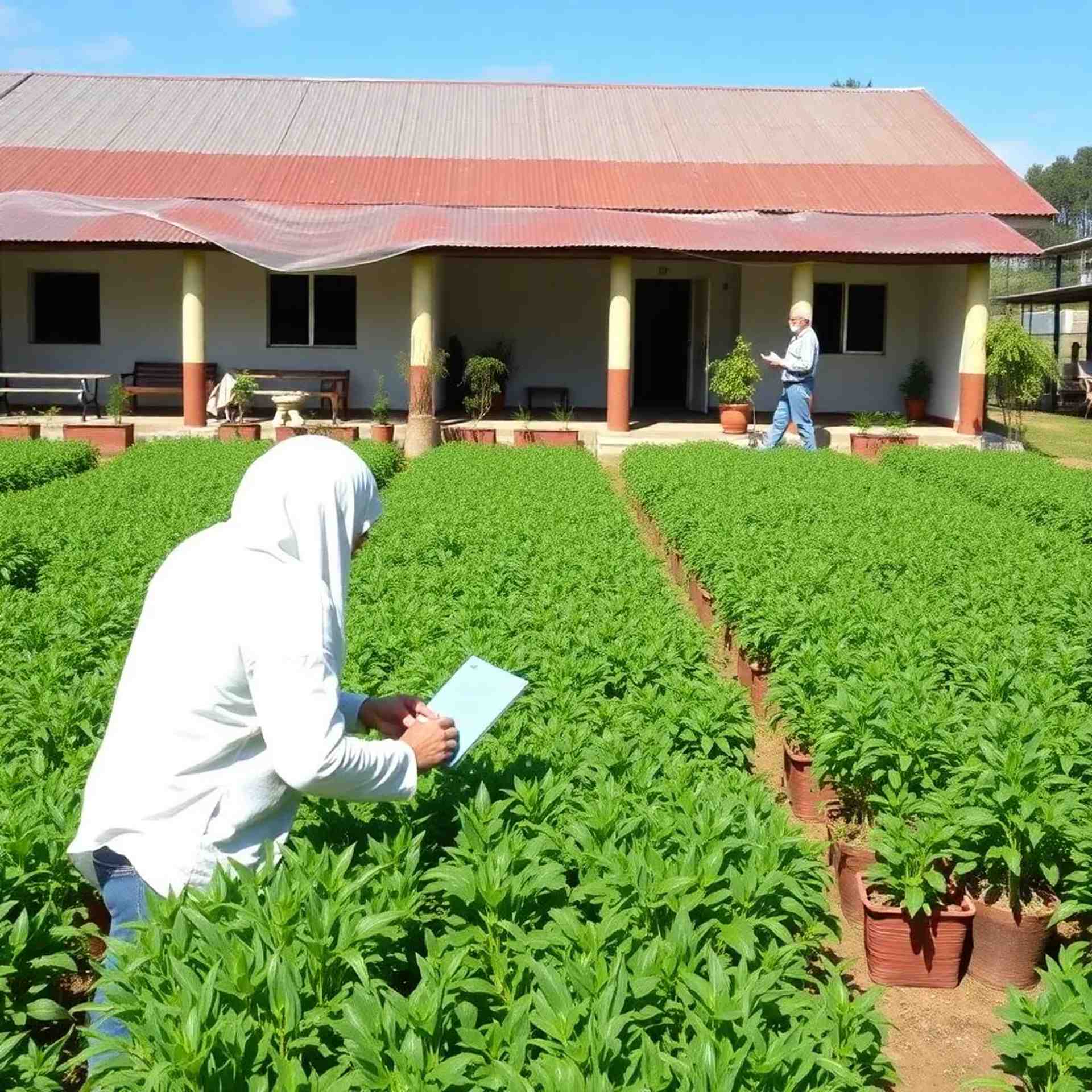
From 50 Chickens to Regional Poultry Supplier
Maria Ting's Free-Range Chicken Enterprise
Poultry & Livestock • Class of 2019Background
Maria Ting, 45, was a homemaker seeking income opportunities that fit her family responsibilities. Free-range chicken farming appealed because it could be managed part-time initially and scaled gradually. She enrolled in Cigiri Wabiru's poultry program with modest goals – supplement family income with RM2,000-3,000 monthly. Today, Maria's operation generates over RM8,000 monthly net profit.
The Journey
July 2019 - Completed Poultry Training
Comprehensive 10-week program covering breed selection, housing design, feeding programs, health management, and processing. Particularly valued hands-on chicken handling and health assessment practice.
September 2019 - Started with 50 Birds
Built simple mobile coop using local materials (RM2,500). Started with 50 dual-purpose breed chickens. Implemented free-range system on 0.2 acres behind family home.
December 2019 - First Batch Harvested
After 14 weeks, harvested 45 birds (90% survival). Sold through personal networks and at weekend market for RM18/kg average. Positive response to quality and taste. Revenue: RM3,600. Net profit: RM1,400.
March 2020 - Scaled to 150 Birds
Built additional mobile coops. Increased stocking to 150 birds per batch. Developed regular customer base through word-of-mouth. Established partnerships with 3 restaurants seeking quality free-range chicken.
October 2020 - Added Egg Production
Introduced layer flock of 100 hens providing daily income from egg sales alongside meat bird production. Eggs sold at RM0.60 each (double conventional prices) due to free-range quality.
June 2021 - Secured Additional Land
Leased adjacent acre, expanded to 500 meat birds per batch plus 200 layers. Built permanent housing with rotating paddocks. Hired first part-time helper for daily feeding and egg collection.
December 2023 - Established Regional Business
Now processes 300-400 chickens monthly, maintains 300 laying hens. Supplies 8 restaurants, 2 grocery stores, and 60+ direct customers. Monthly net income: RM8,000-10,000. Employs 2 workers. Planning processing license for value-added products.
Current Operation Stats
500
Birds per Batch
300
Laying Hens
RM9k
Monthly Net Income
70+
Regular Customers
Key Success Strategies
Premium Positioning
From the start, Maria focused on quality over volume. She refused to compromise on free-range practices, even when customers requested cheaper conventionally-raised birds. "I educated customers about why free-range chicken tastes better and is worth the premium. Once they tried my birds, they understood."
Diversified Income Streams
Combining meat bird production with egg sales created income stability. Eggs provide daily cash flow, while meat bird sales generate larger lump sums every few months. "The diversity reduces risk. If chicken prices drop, I still have egg income. It balances out."
Customer Education & Transparency
Maria actively invites customers to visit her farm, posts regular updates on social media showing farming practices, and educates buyers about chicken care and welfare. This transparency builds trust and justifies premium pricing. Several restaurants feature "Maria's Farm" on their menus as a selling point.
"I started just wanting extra income. The business grew because I genuinely care about animal welfare and producing quality food. Customers sense that authenticity."
Maria's Advice for Starting Poultry Farmers
- Start small and learn: "My 50-bird start was perfect for learning without overwhelming investment. Many people start too large and struggle."
- Focus on animal health: "Healthy birds grow well and taste great. I learned prevention-focused health management during training and disease losses are minimal."
- Build personal relationships: "Customers buying premium products want to know their farmer. I make time for farm tours and customer questions."
- Document everything: "Photos and videos of my farming practices have been my best marketing tools. Show people how you farm."
- Reinvest wisely: "I grew slowly, reinvesting profits into better infrastructure. Slow, steady growth is more sustainable than rapid expansion."
Ready to Write Your Own Success Story?
Join hundreds of successful Cigiri Wabiru graduates who transformed their agricultural dreams into thriving businesses.
Start Your Journey Explore Programs