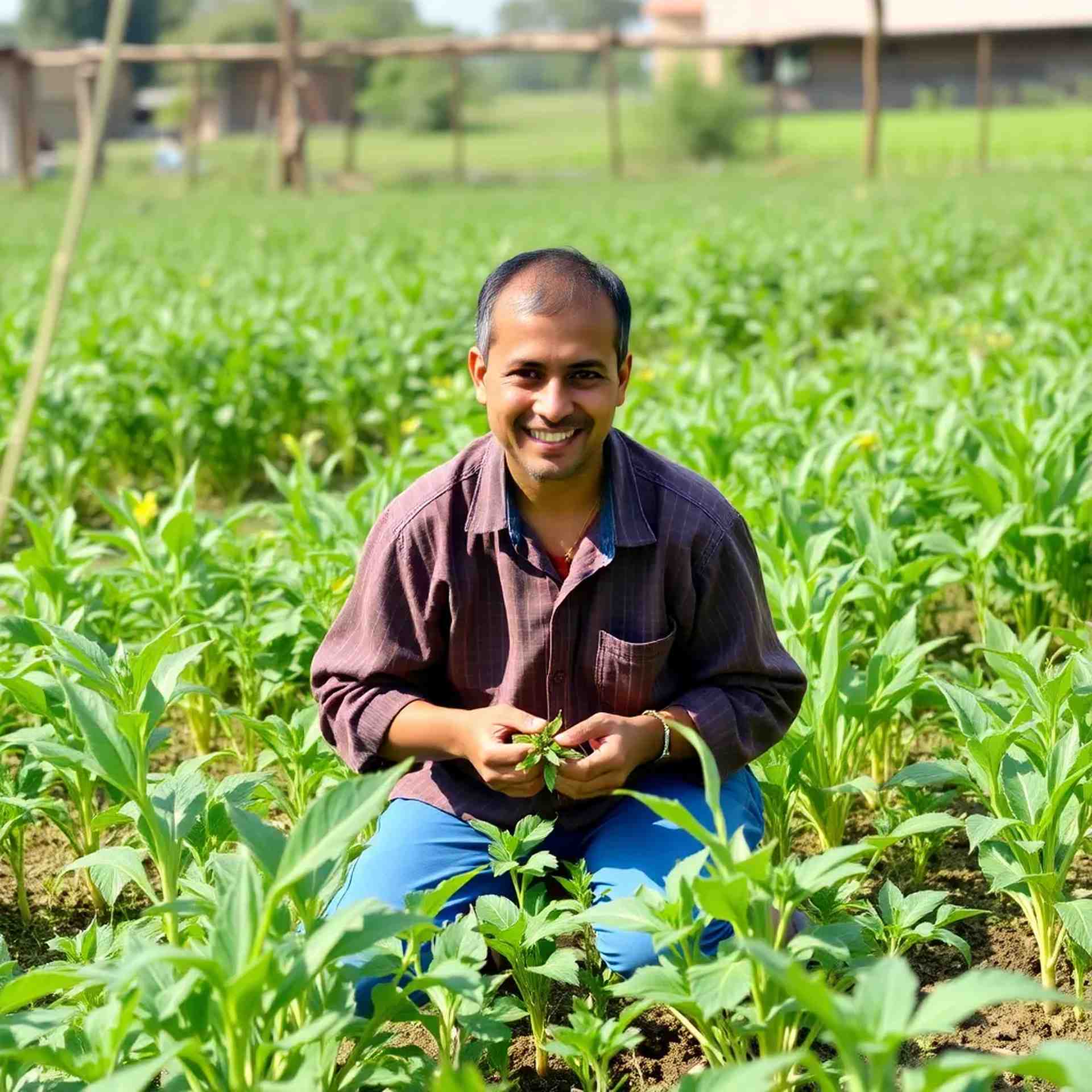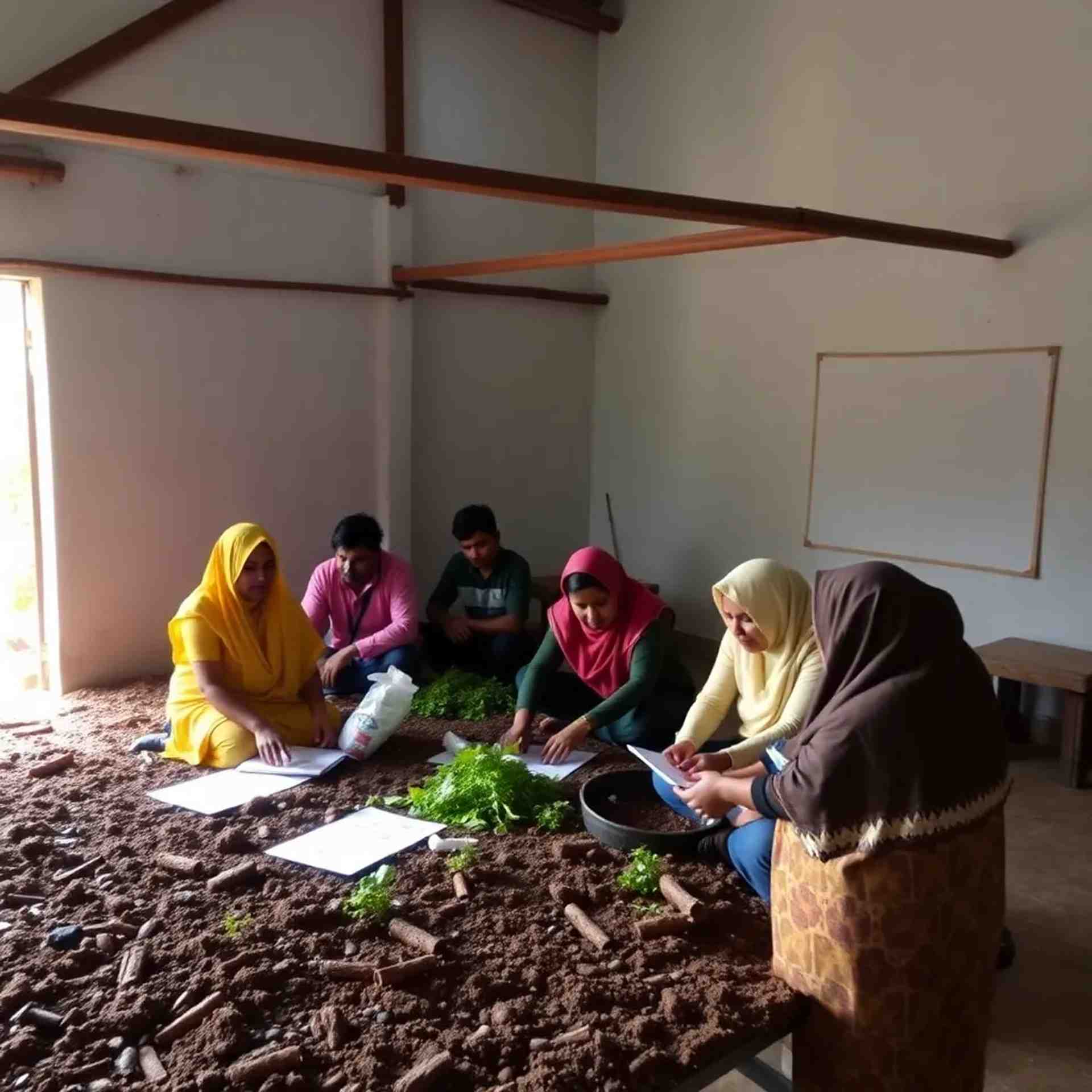
Starting Organic Farm
Organic Farming

Complete Guide to Starting Your Organic Vegetable Farm in Malaysia

Starting an organic vegetable farm in Malaysia's tropical climate offers tremendous opportunities for aspiring agro-entrepreneurs. With growing consumer demand for organic produce and supportive government initiatives, now is the perfect time to launch your farming venture.

Understanding the Malaysian Organic Market

The Malaysian organic food market has experienced remarkable growth, with annual increases of 15-20% over the past five years. Urban consumers in Kuching, Kuala Lumpur, and other major cities are increasingly willing to pay premium prices for certified organic vegetables. This shift is driven by health consciousness, environmental awareness, and concerns about pesticide residues in conventional produce.

Current market research indicates that organic vegetables command prices 30-50% higher than conventional alternatives. Popular high-demand crops include organic lettuce, tomatoes, cucumbers, long beans, and local favorites like kangkung and bayam. Restaurant partnerships can provide stable, recurring income streams, while farmers' markets and direct consumer sales offer higher profit margins.

Site Selection and Land Preparation

Choosing the right location is crucial for organic farming success. Look for land with access to clean water sources, adequate sunlight (minimum 6-8 hours daily), and good drainage. In Sarawak's climate, areas with natural shade from afternoon heat can be beneficial for certain crops. Soil testing should be your first step – understanding pH levels, nutrient content, and contamination history determines your amendment strategy.

For beginners, starting with 0.2-0.5 acres is recommended. This manageable size allows you to learn farming fundamentals without overwhelming investment. Land can be leased initially, with typical rates in Kuching ranging from RM300-800 per acre monthly depending on location and infrastructure.

Soil Building Fundamentals

Healthy soil is the foundation of organic farming. Begin soil improvement at least 2-3 months before planting. Key steps include:

  • Deep tillage: Break up compacted soil layers to improve root penetration and drainage
  • Compost incorporation: Add 5-10 tons of well-decomposed compost per acre to boost organic matter
  • Cover cropping: Plant nitrogen-fixing legumes like mung beans or groundnuts to naturally enrich soil
  • pH adjustment: Most vegetables prefer pH 6.0-6.8; use agricultural lime for acidic soils
  • Beneficial microbes: Introduce effective microorganisms (EM) to enhance soil biology

Essential Infrastructure and Equipment

Starting an organic farm requires modest but strategic investments in infrastructure. Budget planning for the first year should include:

Startup Investment Breakdown (0.5 acre)
  • Irrigation system (drip or sprinkler): RM3,000-5,000
  • Shade netting and support structures: RM2,000-3,500
  • Basic tools (hoes, rakes, wheelbarrow, sprayers): RM800-1,200
  • Composting facility: RM1,500-2,500
  • Storage shed: RM2,000-4,000
  • Seeds and organic fertilizers: RM1,000-2,000
  • Total estimated startup: RM10,300-18,200

Many beginning farmers overlook irrigation planning. In Sarawak's variable rainfall patterns, reliable water access is non-negotiable. Drip irrigation offers significant advantages: 40-60% water savings, reduced disease pressure, and efficient fertilizer delivery. While initial costs are higher, long-term benefits justify the investment.

Crop Selection and Planning

Successful organic farming requires strategic crop selection based on market demand, climate suitability, and your experience level. For beginners, we recommend starting with fast-growing, resilient crops that provide quick returns:

Beginner-Friendly Crops

  • Kangkung (Water Spinach): 25-30 day harvest cycle, high demand, minimal pest issues
  • Bayam (Amaranth): 30-35 days, heat-tolerant, multiple harvests possible
  • Long Beans: 50-60 days, productive for 2-3 months, good price stability
  • Cucumber: 45-55 days, high yielding, strong market demand
  • Cherry Tomatoes: 60-75 days, premium prices, extended harvest period

Implement crop rotation to maintain soil health and break pest cycles. A simple rotation might alternate between leafy greens, fruiting vegetables, and legumes. Intercropping compatible species can maximize space utilization and create beneficial plant interactions. For example, planting aromatic herbs like basil or lemongrass alongside vegetables can naturally deter certain pests.

Organic Pest Management

Pest management is often cited as the biggest challenge in organic farming. Success requires prevention-focused thinking rather than reactive treatments. Healthy, vigorous plants naturally resist pest attacks better than stressed plants.

Integrated Pest Management Strategies

  1. Cultural controls: Proper spacing for air circulation, timely weed removal, crop rotation
  2. Physical barriers: Insect netting, mulching to prevent soil-borne diseases, hand-picking of pests
  3. Biological controls: Encourage natural predators, introduce beneficial insects, use Bt for caterpillars
  4. Botanical pesticides: Neem oil, garlic spray, chili extract – always used as last resort
  5. Companion planting: Marigolds deter nematodes, basil repels aphids and whiteflies

Regular monitoring is essential. Walk your farm daily, examining plants for early signs of problems. Catching pest issues early – when populations are small – makes management far easier and prevents crop losses.

Marketing Your Organic Produce

Quality organic produce deserves premium prices, but you must actively build market channels. Don't wait until harvest to think about sales. Multiple sales channels reduce risk and maximize income:

  • Restaurant partnerships: Consistent demand, bulk orders, premium prices for unique varieties
  • Farmers' markets: Direct consumer sales, immediate cash flow, valuable customer feedback
  • Organic grocery stores: Growing sector in urban Malaysia, willing to pay fair prices
  • CSA (Community Supported Agriculture): Subscription model provides upfront capital and guaranteed sales
  • Online platforms: Social media marketing, home delivery services, pre-order systems

Building a farm brand is equally important. Share your farming story, post regular updates with quality photos, and educate consumers about organic benefits. Transparency builds trust – invite customers to visit your farm, show them your practices. Many successful organic farmers report that farm tours and open days generate loyal, long-term customers.

Certification and Compliance

While not mandatory, organic certification significantly enhances market access and pricing power. Malaysia's organic certification follows strict standards administered by several bodies including JAKIM (for halal-organic) and international certifiers like NASAA or IFOAM.

The certification process typically requires a 2-3 year transition period where organic practices are followed and documented. During transition, produce cannot be marketed as "certified organic" but can be labeled "transitioning to organic." Annual certification costs range from RM1,500-3,000 depending on farm size, plus annual inspection fees.

For small farmers just starting, focus first on establishing strong growing systems and market relationships. As your operation matures and sales volumes increase, certification becomes more economically justified.

Ready to Start Your Organic Farming Journey?

Join our comprehensive Organic Vegetable Farming program. Learn hands-on techniques from experienced farmers, practice on our demonstration farm, and receive ongoing mentorship support.

Enroll in Our Program

Financial Projections and Profitability

Understanding the financial realities of organic farming helps set realistic expectations. While organic farming can be highly profitable, it requires patience, hard work, and continuous learning. Based on our graduates' experiences, here are typical first-year scenarios for a 0.5-acre operation:

First Year Financial Overview

Startup Investment: RM12,000-15,000

Monthly Operating Costs:

  • Land lease: RM200-400
  • Water and utilities: RM150-250
  • Organic inputs (compost, amendments): RM300-500
  • Seeds and seedlings: RM200-300
  • Labor (if hired): RM800-1,500
  • Transportation and marketing: RM200-400
  • Total monthly: RM1,850-3,350

Expected Monthly Revenue (after 3-4 months): RM3,500-6,000

Net Monthly Profit (stabilized operation): RM1,500-3,500

Most organic farmers break even within 8-12 months. By year two, with established market channels and improved efficiency, monthly net incomes of RM4,000-8,000 are achievable. Top performers with excellent market access and diversified crops can earn RM10,000+ monthly from one acre.

Common Challenges and How to Overcome Them

Every organic farmer faces challenges. Being prepared helps you navigate difficulties successfully:

  • Weather unpredictability: Install rain shelters for sensitive crops, diversify planting times, maintain insurance coverage
  • Pest outbreaks: Never rely on single crops, maintain biodiversity, keep natural predator habitats
  • Market fluctuations: Establish contracts with restaurants, develop loyal customer base, store value-added products
  • Labor challenges: Start small to minimize labor needs, train family members, consider mechanization for repetitive tasks
  • Capital constraints: Explore government grants, start with leased land, reinvest profits gradually

Continuous Learning and Community

The most successful organic farmers are continuous learners. Agriculture constantly evolves with new techniques, crop varieties, and market trends. Join farmer associations, attend workshops, and participate in organic farming communities. Many of our Cigiri Wabiru graduates report that the alumni network has been invaluable for solving problems, sharing resources, and exploring cooperative marketing opportunities.

Government support for organic agriculture is growing. Programs like MARDI's organic farming initiatives, agricultural grants from state governments, and training subsidies can significantly reduce startup costs. Stay informed about available support through agricultural extension offices and farmer organizations.

Your Next Steps

Starting an organic farm is both challenging and rewarding. Success comes from thorough planning, dedication to learning, and persistence through initial challenges. Begin with these concrete actions:

  1. Research and visit existing organic farms in your area
  2. Enroll in quality training programs that provide hands-on experience
  3. Start small – master fundamentals before expanding
  4. Build market relationships before first harvest
  5. Keep detailed records of costs, yields, and lessons learned
  6. Connect with the organic farming community for ongoing support

The journey to becoming a successful organic farmer begins with proper education and practical training. At Cigiri Wabiru, our comprehensive programs provide the knowledge, skills, and confidence you need to launch and sustain a profitable organic farming enterprise.
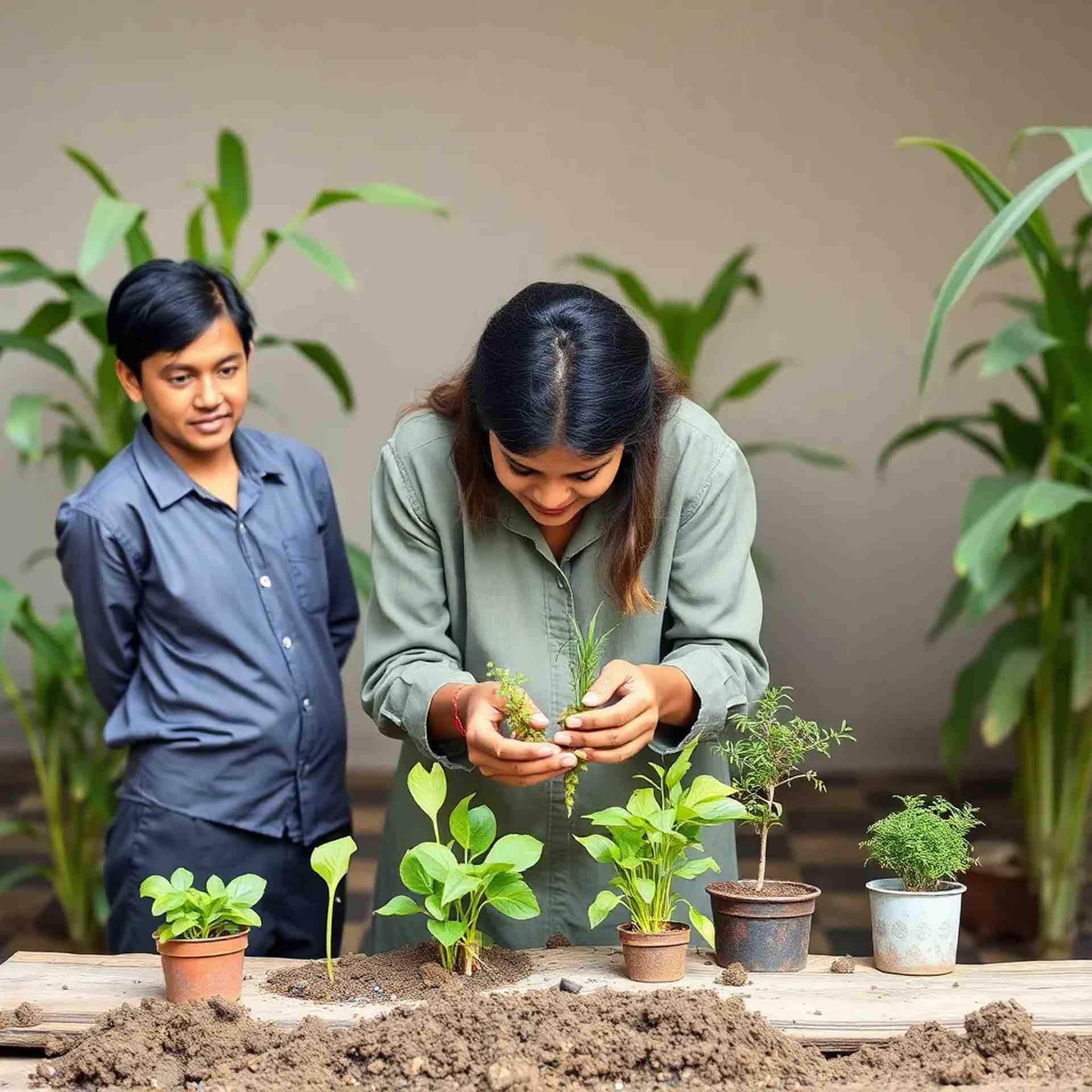
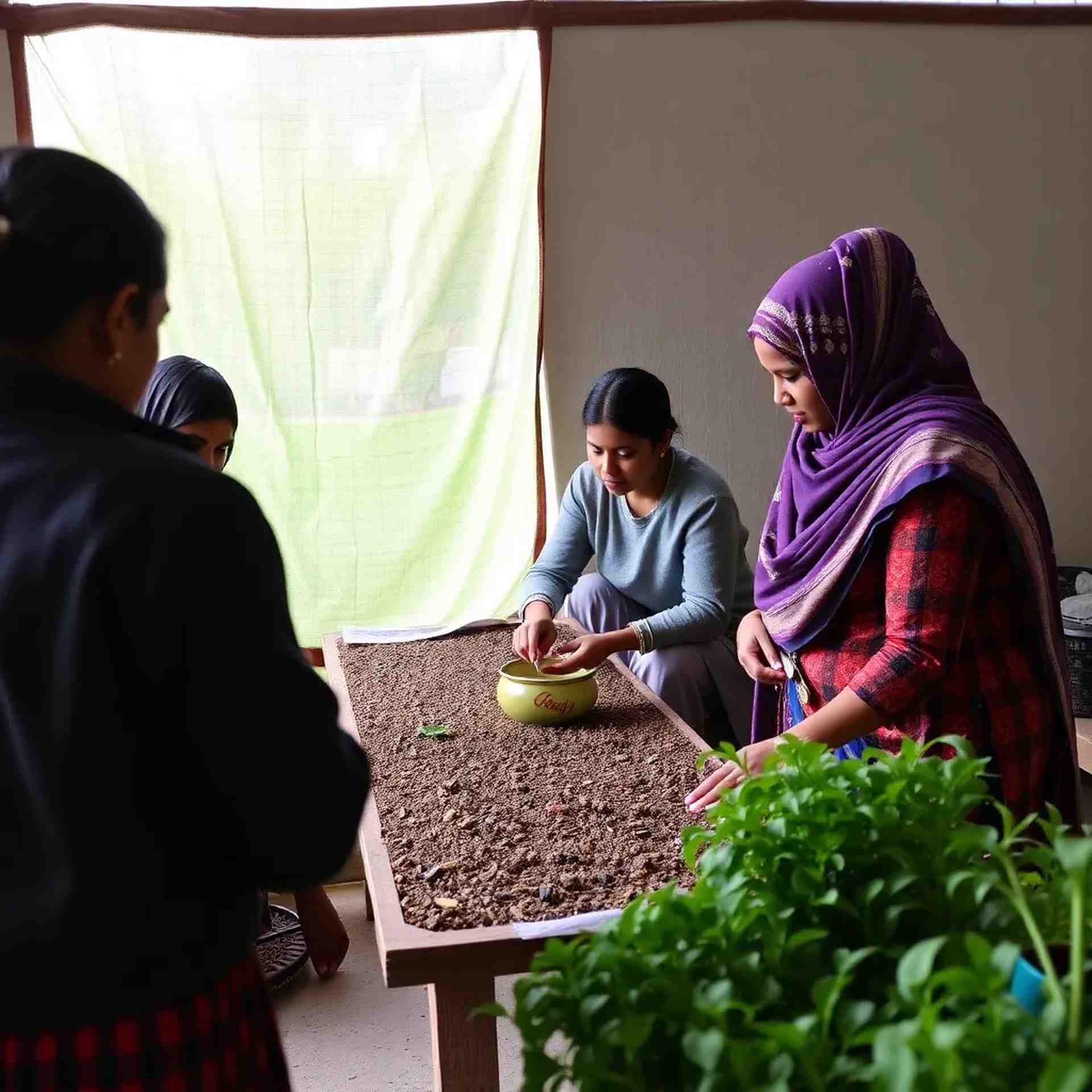
Fish Farming
Aquaculture

Profitable Fish Farming: Essential Techniques for Malaysian Small-Scale Aquaculture

Fish farming represents one of the most promising agricultural opportunities in Malaysia. With growing seafood demand, declining wild fish stocks, and supportive government policies, small-scale aquaculture offers excellent income potential for aspiring agro-entrepreneurs.

The Malaysian Aquaculture Opportunity

Malaysia's aquaculture sector has experienced consistent growth, contributing significantly to national food security and rural income generation. The government's National Agrofood Policy prioritizes aquaculture development, offering grants, training, and infrastructure support to small-scale farmers. Current fish consumption in Malaysia averages 58 kg per capita annually, with domestic production meeting only about 80% of demand – creating clear market opportunities.

Sarawak's abundant freshwater resources and favorable climate provide ideal conditions for fish farming. Popular species include tilapia, catfish (keli), snakehead (haruan), and freshwater prawns. Each species offers distinct advantages in terms of growth rates, market prices, and management requirements.

Species Selection for Beginners

Choosing the right fish species is crucial for startup success. Beginners should prioritize hardy species with established markets, predictable growth patterns, and manageable feeding requirements.

Tilapia (Red and Gift Strain)

Tilapia remains the top recommendation for beginner fish farmers. Key advantages include exceptional hardiness, rapid growth (harvest in 4-6 months), disease resistance, and strong market demand. Tilapia tolerates variable water quality better than most species, reducing technical challenges for newcomers.

Market prices for fresh tilapia range from RM8-12 per kg depending on size and quality. Premium markets pay higher prices for larger fish (400-600g) with good body conformation. A well-managed 0.1-acre pond can produce 2-3 tons annually, generating RM16,000-36,000 in gross revenue.

African Catfish (Keli)

Catfish farming has grown significantly due to the species' extreme hardiness and ability to tolerate high stocking densities. Catfish can survive in low-oxygen conditions, making them ideal for intensive systems. Harvest size is reached in 4-5 months with proper feeding.

Catfish commands RM9-14 per kg in local markets, with particularly strong demand in rural areas and for value-added processing (smoked, salted). The species' tolerance for recirculating aquaculture systems (RAS) makes it suitable for urban and peri-urban farming operations.

Snakehead (Haruan)

For farmers willing to invest more time in management, snakehead offers premium pricing (RM18-28 per kg) due to perceived medicinal properties and cultural preferences. Snakehead requires higher-quality water conditions and more protein-rich feeds, increasing operational complexity and costs.

Growth to market size (400-600g) takes 6-8 months. While more challenging, snakehead's price premium makes it attractive for experienced farmers seeking higher value production.

Pond Design and Construction

Proper pond design significantly impacts fish health, growth rates, and management efficiency. Whether building earthen ponds, concrete tanks, or installing liner ponds, several principles apply across systems.

Site Selection Considerations

  • Water availability: Reliable, year-round water source with adequate quality
  • Soil type: Clay or loam soils for earthen ponds; avoid sandy or rocky areas
  • Topography: Gentle slopes facilitate water management and drainage
  • Accessibility: Good road access for feed delivery and fish harvesting
  • Flooding risk: Avoid flood-prone areas or plan appropriate protection measures

Pond Size and Configuration

For small-scale operations, we recommend starting with 2-4 ponds of 400-600 square meters each. Multiple ponds enable:

  • Staggered stocking schedules for continuous cash flow
  • Size-grading fish as they grow
  • Isolation of diseased fish if health issues arise
  • Pond rotation for maintenance and renovation

Optimal water depth varies by species: 1.0-1.5 meters for tilapia and catfish, 1.2-1.8 meters for snakehead. Deeper ponds buffer temperature fluctuations and provide more stable water quality but require more water and energy for management.

Basic Pond Infrastructure Requirements
  • Water inlet system with filtration to exclude wild fish and debris
  • Drainage outlet at lowest pond point for complete harvesting
  • Aeration system (paddle wheel or blowers with diffusers)
  • Bird netting to prevent predation and disease transmission
  • Basic water quality monitoring equipment (DO meter, pH meter, thermometer)
  • Feed storage facility protected from moisture and pests

Water Quality Management

Water quality is the foundation of successful fish farming. Fish live in their own waste, making active water management essential. Understanding and controlling key parameters prevents disease, optimizes growth, and maximizes survival rates.

Critical Water Quality Parameters

Dissolved Oxygen (DO): The most critical factor. Most species require minimum 5 mg/L, with optimal levels above 6 mg/L. Early morning DO levels are typically lowest due to nighttime respiration by fish and phytoplankton. Install aeration systems and monitor DO regularly, especially during hot weather and high biomass periods.

pH: Maintain between 6.5-8.5 for most species. Sudden pH fluctuations stress fish and reduce feeding. Agricultural lime can raise pH in acidic ponds, while water exchanges help manage elevated pH.

Ammonia and Nitrite: Toxic metabolic wastes that accumulate in poorly managed systems. Ammonia should remain below 0.02 mg/L, nitrite below 0.2 mg/L. Biological filtration, regular water exchanges, and probiotic treatments help manage these compounds.

Temperature: Tropical species thrive at 26-32°C. Temperatures above 35°C stress fish, while below 20°C significantly slows growth. Pond depth, shading, and water exchange help manage temperature extremes.

Practical Water Management Strategies

  1. Regular monitoring: Check DO, pH, and temperature twice daily (morning and afternoon)
  2. Continuous aeration: Run aerators at least 12-16 hours daily, full-time during high biomass periods
  3. Strategic water exchange: Replace 10-15% of water weekly, increasing during hot weather
  4. Probiotic application: Weekly probiotic treatments improve water quality and fish immunity
  5. Algae management: Maintain light green water color; too much algae causes oxygen crashes

Feeding Management for Optimal Growth

Feed represents 60-70% of operational costs in intensive aquaculture. Efficient feeding practices directly impact profitability. Overfeeding wastes money and degrades water quality; underfeeding slows growth and extends time to harvest.

Feed Quality and Selection

Choose reputable commercial feeds formulated for your specific species and size class. Quality feeds contain appropriate protein levels, essential nutrients, and stable binders that reduce waste. For tilapia, protein requirements decrease as fish grow: 35-40% for fingerlings, 30-35% for grow-out, 28-30% for finishing.

Catfish requires higher protein throughout the growth cycle (38-42%) due to its carnivorous nature. Using inappropriate feeds or attempting to save money with low-quality alternatives usually backfires through poor growth rates and health issues.

Feeding Strategies

Feed fish 2-4 times daily, distributing meals evenly throughout the day. Observe feeding behavior carefully – fish should consume all feed within 15-20 minutes. If feed remains after 30 minutes, you're overfeeding; reduce the next meal accordingly. If fish consume feed in under 10 minutes and continue searching for food, increase the ration slightly.

As a general guideline, feed 3-5% of estimated fish biomass daily, adjusting based on water temperature, fish size, and observed feeding response. Weigh a sample of fish monthly to track growth rates and adjust feeding rates accordingly.

Feed Conversion Ratio (FCR) Targets

FCR measures efficiency: how many kg of feed produce 1 kg of fish weight gain.

  • Tilapia: Target FCR 1.4-1.8
  • Catfish: Target FCR 1.3-1.6
  • Snakehead: Target FCR 1.5-2.0

Poor FCR indicates problems with feed quality, water quality, disease, or feeding practices.

Disease Prevention and Health Management

Preventing disease is far easier and cheaper than treating sick fish. Most disease outbreaks result from environmental stress, poor water quality, or inadequate nutrition rather than exposure to specific pathogens.

Biosecurity Practices

  • Source fingerlings only from reputable, disease-free hatcheries
  • Quarantine new fish in separate tanks for 7-10 days before pond stocking
  • Disinfect all equipment moving between ponds
  • Control access to your farm to minimize disease introduction
  • Install bird netting to prevent disease transmission from wild birds
  • Never introduce wild fish or untreated water into production ponds

Common Health Issues and Solutions

Bacterial infections: Often secondary to stress or injury. Maintain excellent water quality, handle fish gently, and consult veterinarians for appropriate antibiotic treatment when necessary.

Parasitic infestations: External parasites cause irritation, reduced feeding, and secondary infections. Salt baths (3% solution for 3-5 minutes) treat many common parasites effectively.

Fungal infections: Usually affect injured or stressed fish. Improve water quality and reduce stocking density if fungal problems occur repeatedly.

Regular health monitoring catches problems early. Check fish daily during feeding, noting appetite, swimming behavior, and physical appearance. Investigate immediately if you observe abnormal behavior, reduced feeding, or visible lesions.

Harvesting and Post-Harvest Handling

Proper harvesting and handling maintain fish quality and maximize market value. Plan harvests for early morning when temperatures are cooler and fish are less stressed.

Complete pond drainage is the most efficient harvest method for earthen ponds. Partially drain to concentrate fish, then use nets to transfer fish to holding tanks with aeration. For live market sales, transport fish in well-aerated tanks with maximum densities around 30-50 kg per 100 liters depending on temperature and transport duration.

If selling fresh to markets or restaurants, ice fish immediately after harvest. Maintain cold chain throughout transport and storage. Quality fish command premium prices – proper handling is worth the extra effort.

Financial Planning and Profitability

Understanding aquaculture economics helps set realistic expectations and make informed management decisions.

Small-Scale Tilapia Farm Economics (2 Ponds, 500 m² each)

Initial Investment:

  • Pond construction: RM8,000-12,000
  • Aeration systems: RM3,000-5,000
  • Bird netting and infrastructure: RM2,000-3,000
  • Water quality equipment: RM1,500-2,500
  • Total: RM14,500-22,500

Per Cycle Operating Costs (4-5 months):

  • Fingerlings (5,000 @ RM0.20): RM1,000
  • Feed (2,500 kg @ RM2.80): RM7,000
  • Utilities and supplies: RM800
  • Labor: RM3,000
  • Total per cycle: RM11,800

Expected Revenue:

  • Harvest: 2,000 kg @ RM10/kg = RM20,000
  • Net profit per cycle: RM8,200
  • With 2 cycles annually: RM16,400 profit
  • ROI: Break-even within 1.5-2 years

These projections assume average management and survival rates around 80%. Experienced farmers with excellent practices often achieve significantly higher profits through better survival rates, improved FCR, and premium market access.

Market Development and Sales

Building reliable market channels before your first harvest is essential. Develop multiple sales outlets to reduce risk and maximize pricing flexibility:

  • Live fish markets: Highest prices but requires transport infrastructure
  • Restaurants and hotels: Consistent demand, premium for quality and reliability
  • Wet markets: High volume but competitive pricing
  • Direct sales to consumers: Best margins but requires marketing effort
  • Fish processing facilities: Absorb large volumes but lower prices

Develop relationships with buyers during your grow-out period. Invite potential buyers to visit your farm, demonstrate your quality standards, and negotiate supply agreements. Reliable, consistent supply is highly valued – establish a reputation for dependability.

Master Aquaculture Techniques

Our comprehensive fish farming program covers everything from pond construction to harvest management. Learn through hands-on practice on our demonstration farm with expert guidance.

Join Our Aquaculture Program

Fish farming offers excellent opportunities for motivated individuals willing to learn proper techniques and apply consistent management. Success requires attention to detail, especially regarding water quality and feeding management. With proper training, realistic planning, and dedication to best practices, small-scale aquaculture can provide substantial, sustainable income for farming families across Sarawak.

Poultry Farming
Poultry & Livestock

Starting a Profitable Free-Range Chicken Enterprise

Free-range chicken farming combines animal welfare, premium product quality, and strong market demand. Malaysian consumers increasingly seek ethically raised poultry, creating excellent opportunities for small-scale farmers willing to meet quality standards.

Understanding the Free-Range Market Premium

Free-range chickens command significant price premiums over conventionally raised birds. While standard broilers sell for RM7-9 per kg, free-range chickens fetch RM15-24 per kg in urban markets. This premium reflects superior meat quality, better animal welfare, and consumer willingness to pay for ethical production methods.

The key to capturing premium prices is effectively communicating your production practices to consumers. Document your methods through photos and videos, share your farm story, and build direct relationships with customers who value sustainable agriculture.

Housing and Infrastructure Requirements

Free-range systems require different infrastructure than intensive operations. Chickens need secure housing for nighttime protection, adequate shade and shelter, and sufficient outdoor space for natural behaviors.

Mobile Chicken Coops

Mobile coops offer significant advantages for pastured poultry. Moving coops to fresh ground every few days provides clean pasture, reduces parasite loads, and distributes manure evenly across land. A basic mobile coop housing 50-100 chickens costs RM2,500-4,000 to build using locally available materials.

Design coops with proper ventilation, predator protection, roosting bars, and nest boxes. Allow minimum 0.3 square meters indoor space per chicken, plus 2-5 square meters outdoor range per bird depending on vegetation density.

Permanent Housing with Rotating Paddocks

Alternatively, build permanent housing with multiple paddocks that rotate, allowing vegetation recovery and parasite die-off while chickens occupy other areas. This system suits larger operations and eliminates daily coop moving labor.

Breed Selection for Free-Range Production

Choose chicken breeds developed for pastured systems. Industrial broiler breeds grow too quickly for healthy free-range development, while traditional egg-layer breeds lack sufficient meat yield. Ideal free-range breeds include:

  • Rainbow Rooster: Excellent foraging ability, 2.0-2.5 kg market weight at 12-14 weeks
  • Freedom Ranger: Active foragers, flavorful meat, 2.3-2.8 kg at 12 weeks
  • Sasso: French breed popular in Malaysia, 2.5-3.0 kg at 12-14 weeks
  • Kampung crosses: Local adapted breeds, slower growth but superior flavor

Growth rates are slower than industrial broilers, but slower growth allows muscle development, fat deposition, and flavor complexity that premium markets demand.

Feeding Strategy for Quality Meat Production

While "free-range" implies chickens obtain nutrition from pasture, supplemental feeding is essential for optimal growth and finishing. Chickens derive 20-30% of nutrition from pasture through insects, seeds, and greens. The remainder must come from balanced commercial feeds.

Feed Program Structure

Starter phase (0-4 weeks): High-protein starter feed (22-24% protein) ensures healthy chick development. Chicks have limited foraging ability initially and depend entirely on quality feed.

Grower phase (4-10 weeks): Transition to grower feed (18-20% protein) as chickens develop foraging skills. Gradually introduce outdoor access, starting with short periods and extending as birds grow.

Finisher phase (10-14 weeks): Finisher feed (16-18% protein) with increased energy for weight gain and fat deposition. Fat content significantly influences flavor and texture of finished birds.

Always provide feeds free of antibiotics and growth hormones. Many premium markets specifically require antibiotic-free production. Source quality feeds from reputable suppliers and store properly to maintain freshness.

Pasture Management for Poultry

Healthy pasture maximizes natural nutrition and reduces feed costs. Best practices include:

  • Maintain mixed grass and legume pastures for diverse nutrition
  • Rotate chickens before pasture is completely destroyed (70% utilization)
  • Allow 3-4 week rest periods for pasture recovery
  • Plant fruit trees for shade and supplemental nutrition
  • Control weeds without chemicals – use mechanical removal or controlled grazing

Health Management in Free-Range Systems

Free-range chickens face different health challenges than confined birds. Outdoor exposure increases parasite risk, predation threats, and weather-related stress, but generally improves immune function and reduces disease transmission compared to intensive systems.

Parasite Control

Internal and external parasites are the primary health challenge in pastured poultry. Rotation is your first defense – moving birds to fresh ground breaks parasite life cycles. Additional strategies include:

  • Provide dust bathing areas with wood ash or diatomaceous earth
  • Add apple cider vinegar to drinking water (1 tablespoon per liter) weekly
  • Plant aromatic herbs (oregano, thyme, garlic) in ranging areas
  • Monitor fecal samples monthly for parasite loads
  • Use herbal dewormers or organic-approved medications when necessary

Predator Protection

Predation can devastate free-range flocks. Common Malaysian predators include monitor lizards, snakes, birds of prey, dogs, and occasionally wild cats. Effective protection requires multiple strategies:

  • Secure housing with hardware cloth, not just chicken wire
  • Lock chickens in housing from dusk to dawn when most predation occurs
  • Maintain sight lines by clearing brush near ranging areas
  • Consider guardian animals (dogs, geese) for larger operations
  • Use electric netting for mobile systems – effective deterrent for most predators

Processing and Marketing Premium Poultry

Processing quality directly affects market perception and pricing. Most small-scale producers either process on-farm or use licensed mobile processors. On-farm processing requires proper facilities, equipment, and adherence to food safety standards.

Processing Best Practices

Proper processing maintains meat quality and food safety. Key steps include:

  1. Pre-slaughter fasting: Withhold feed 8-12 hours before processing for cleaner evisceration
  2. Humane handling: Minimize stress during capture and processing
  3. Rapid chilling: Cool carcasses to 4°C within 4 hours to prevent bacterial growth
  4. Proper packaging: Vacuum seal or use quality freezer bags to prevent freezer burn
  5. Clear labeling: Include farm name, processing date, weight, and storage instructions

Marketing Strategies

Free-range chicken marketing requires education and relationship building. Customers paying premium prices want to understand what they're buying and why it's superior to cheaper alternatives.

Direct-to-consumer sales offer best margins. Establish CSA-style subscription programs where customers pre-order monthly chicken deliveries. This provides working capital and guaranteed sales. Advertise through social media, farmers' markets, and word-of-mouth from satisfied customers.

Restaurant partnerships provide consistent bulk sales. Target upscale establishments emphasizing local, sustainable ingredients. Provide samples, invite chefs to visit your farm, and maintain absolutely consistent supply and quality.

Online sales platforms expand market reach. Many Malaysian consumers now purchase premium foods online. Professional product photography, compelling farm storytelling, and convenient delivery options are essential for online success.

Financial Projections

Free-Range Chicken Economics (100 Birds per Batch)

Costs per Batch:

  • Day-old chicks (100 @ RM4): RM400
  • Feed (300 kg @ RM2.50): RM750
  • Supplements and medications: RM100
  • Processing costs: RM350
  • Packaging and marketing: RM150
  • Labor and utilities: RM400
  • Total costs: RM2,150

Revenue (assuming 85% survival):

  • 85 birds × 2.2 kg average × RM18/kg = RM3,366
  • Net profit per batch: RM1,216
  • With 4 batches annually: RM4,864 profit
  • Scaling to 300 birds: RM14,500+ annual profit

Initial infrastructure investment for 100-bird operation ranges from RM5,000-8,000. Many successful farmers start small, reinvest profits, and gradually scale to 300-500 birds per batch, generating RM3,000-6,000 monthly net income.

Regulatory Compliance

Small-scale poultry operations must comply with local regulations. Requirements typically include:

  • Registration with Department of Veterinary Services (DVS)
  • Compliance with setback distances from residences
  • Proper biosecurity measures
  • Record keeping for inputs and outputs
  • Processing facility licensing if processing on-farm

Regulations vary by location and scale. Consult with local agricultural extension offices and DVS representatives to ensure full compliance before starting operations.

Learn Professional Poultry Farming

Our poultry and livestock program provides comprehensive training in free-range chicken production, from chick care to marketing finished birds. Gain hands-on experience with our demonstration flock.

Enroll Today

Free-range chicken farming offers rewarding opportunities for farmers committed to ethical animal husbandry and quality production. Success requires dedication to best practices, investment in quality stock and infrastructure, and persistent marketing efforts. With proper training and systematic approach, free-range poultry can provide substantial supplemental or primary income for farming families.

Farm Business Planning
Business Management

Creating a Winning Farm Business Plan: Financial Planning for Agricultural Success

A comprehensive business plan transforms farming dreams into achievable realities. Whether seeking bank loans, government grants, or simply clarifying your own strategy, professional business planning is essential for agricultural entrepreneurship success.

Why Agricultural Business Plans Differ

Farm businesses face unique challenges that generic business plans often overlook. Biological production cycles, weather dependencies, seasonal market fluctuations, and perishable inventory require specialized planning approaches. Understanding these agricultural-specific factors is crucial for realistic, actionable planning.

Essential Business Plan Components

1. Executive Summary

Though written last, this section appears first and determines whether readers continue. Include your farming concept, target market, competitive advantages, financial highlights, and funding requirements in one compelling page. Specific numbers and concrete details convince readers better than vague aspirations.

2. Business Description and Vision

Clearly articulate what you'll produce, how you'll produce it, and why customers will choose your products. Define your mission, values, and long-term vision. Agricultural lenders and grant officers appreciate farmers who understand both production and business dimensions of agriculture.

3. Market Analysis

Demonstrate thorough understanding of your target market. Include:

  • Market size and trends: Who buys your products? How large is the market? Is it growing?
  • Customer profiles: Detail your ideal customers' demographics, preferences, and buying behaviors
  • Competitive analysis: Who else serves this market? What are their strengths and weaknesses?
  • Pricing strategy: How will you price competitively while maintaining profitability?
  • Distribution channels: How will products reach customers?

Support analysis with specific data. Survey potential customers, research market prices, and visit competitors. Concrete evidence builds credibility.

4. Production Plan

Describe your farming operations in detail. Include land requirements, infrastructure needs, equipment lists, production timelines, and input requirements. For crop farming, specify varieties, planting schedules, and expected yields. For livestock, detail housing, feeding programs, and growth projections.

Address sustainability and resource management. Modern agricultural planning increasingly incorporates environmental stewardship, efficient resource use, and climate adaptation strategies.

5. Organization and Management

Outline your business structure, management team, and key personnel. Include relevant experience, training, and qualifications. If you're a sole proprietor with limited experience, acknowledge this and detail your plans for acquiring necessary knowledge and skills through training programs, mentorship, or hiring experienced advisors.

6. Financial Projections

Financial planning is where many agricultural entrepreneurs struggle. Comprehensive projections should include:

Startup Budget: List all one-time costs to launch operations. Categories include land acquisition or lease, infrastructure construction, equipment purchase, initial inventory, licensing and permits, and working capital for first production cycle.

Operating Budget: Detail ongoing monthly/annual expenses. Include labor, inputs (seeds, feed, fertilizer), utilities, maintenance, transportation, marketing, insurance, and loan payments.

Revenue Projections: Estimate income conservatively using realistic yield expectations and current market prices. Project multiple scenarios (optimistic, realistic, pessimistic) to demonstrate thoughtful risk assessment.

Cash Flow Statements: Monthly cash flow projections for the first year are critical. Agriculture's seasonal nature often means expenses precede revenue by months. Demonstrating you understand cash timing and have adequate working capital reassures lenders.

Break-Even Analysis: Calculate when cumulative revenue will exceed cumulative expenses. This timeline guides expectations and identifies how long you'll need financial reserves.

Profit and Loss Projections: Three-year P&L statements show expected financial trajectory as your operation matures and efficiency improves.

Common Financial Planning Mistakes
  • Underestimating startup costs – include 20% contingency for unexpected expenses
  • Overestimating yields – use conservative production estimates based on local data
  • Ignoring personal living expenses – plan for family income needs during startup phase
  • Failing to account for losses – spoilage, disease, weather damage happen; plan accordingly
  • Neglecting working capital – ensure adequate funds to operate until revenue begins

Funding Sources for Agricultural Ventures

Multiple funding sources often finance agricultural startups. Understanding options helps secure necessary capital:

Government Agricultural Schemes

Malaysian government provides numerous agricultural support programs. TEKUN offers microfinance for small-scale farmers. Agrobank specializes in agricultural financing with favorable terms. State-level agricultural departments offer grants for specific commodities or development areas. Research available programs thoroughly and apply early – processing can take months.

Commercial Bank Loans

Traditional bank financing requires strong business plans, collateral, and often some farming experience. Banks prefer farmers with track records, but well-prepared beginners with solid plans can secure loans. Expect to provide 20-30% of total capital as down payment.

Personal Savings and Family Support

Many successful farmers bootstrap with personal savings, reducing debt and maintaining complete control. While slower, this approach minimizes financial risk and pressure during the learning phase.

Cooperative and Group Financing

Farmer cooperatives often provide member financing, shared equipment access, and group purchasing power. Joining established cooperatives can significantly reduce individual capital requirements.

Record Keeping and Financial Management

Systematic record keeping is essential for farm business success. Track all income and expenses meticulously from day one. Simple spreadsheets work well for small operations, while larger farms benefit from dedicated agricultural accounting software.

Critical Records to Maintain

  • Financial records: All income, expenses, invoices, receipts
  • Production records: Planting dates, harvest quantities, yields per area
  • Input records: Seeds, fertilizers, feeds purchased and used
  • Sales records: Customers, quantities, prices, payment terms
  • Labor records: Hours worked, tasks completed, wages paid
  • Equipment logs: Maintenance, repairs, operating hours

Analyze records regularly to identify trends, calculate profitability by crop or enterprise, and make data-driven management decisions. Farms that keep excellent records consistently outperform those operating on intuition alone.

Risk Management Strategies

Agricultural businesses face multiple risk categories. Comprehensive planning addresses each:

Production risk: Diversify crops or livestock species, implement best practices to maximize success rates, and maintain emergency funds for production shortfalls.

Market risk: Develop multiple sales channels, consider forward contracts for price stability, and maintain flexibility to shift production toward profitable opportunities.

Financial risk: Avoid excessive debt loads, maintain adequate working capital, and separate personal and business finances completely.

Legal and regulatory risk: Understand and comply with all regulations, maintain required licenses and permits, and consult agricultural lawyers for contracts and land agreements.

Human resource risk: Develop contingency plans for labor shortages, invest in training to improve efficiency, and consider mechanization for critical operations.

Scaling Your Agricultural Business

Most successful farms start small and scale gradually. Growth planning should be deliberate and strategic:

  1. Master fundamentals first: Achieve consistent profitability at small scale before expanding
  2. Reinvest profits strategically: Priority areas typically include infrastructure improvements, efficiency enhancements, and market development
  3. Add capacity incrementally: 30-50% growth per year is aggressive but manageable; doubling or tripling production often leads to problems
  4. Maintain quality during growth: Rapid expansion that compromises product quality destroys market reputation
  5. Develop systems and processes: Document successful practices so they can be replicated as you scale

Master Agricultural Business Management

Our Agro-Business Management program covers business planning, financial management, marketing strategies, and regulatory compliance. Learn to run farming as a profitable business, not just a production activity.

Join Our Program

Professional business planning transforms agricultural activities into sustainable enterprises. While farming skill is essential, business acumen increasingly determines success in modern agriculture. Invest time in developing comprehensive plans, maintaining excellent records, and continuously analyzing your operation's financial performance. The most successful farmers are both excellent producers and skilled businesspeople.

Stay Updated with Latest Agricultural Insights

Subscribe to receive expert farming tips, market trends, and program updates directly in your inbox.

Subscribe to Our Newsletter